The Essential Guide to the Mouth Guard with Tongue Depressor
Wiki Article
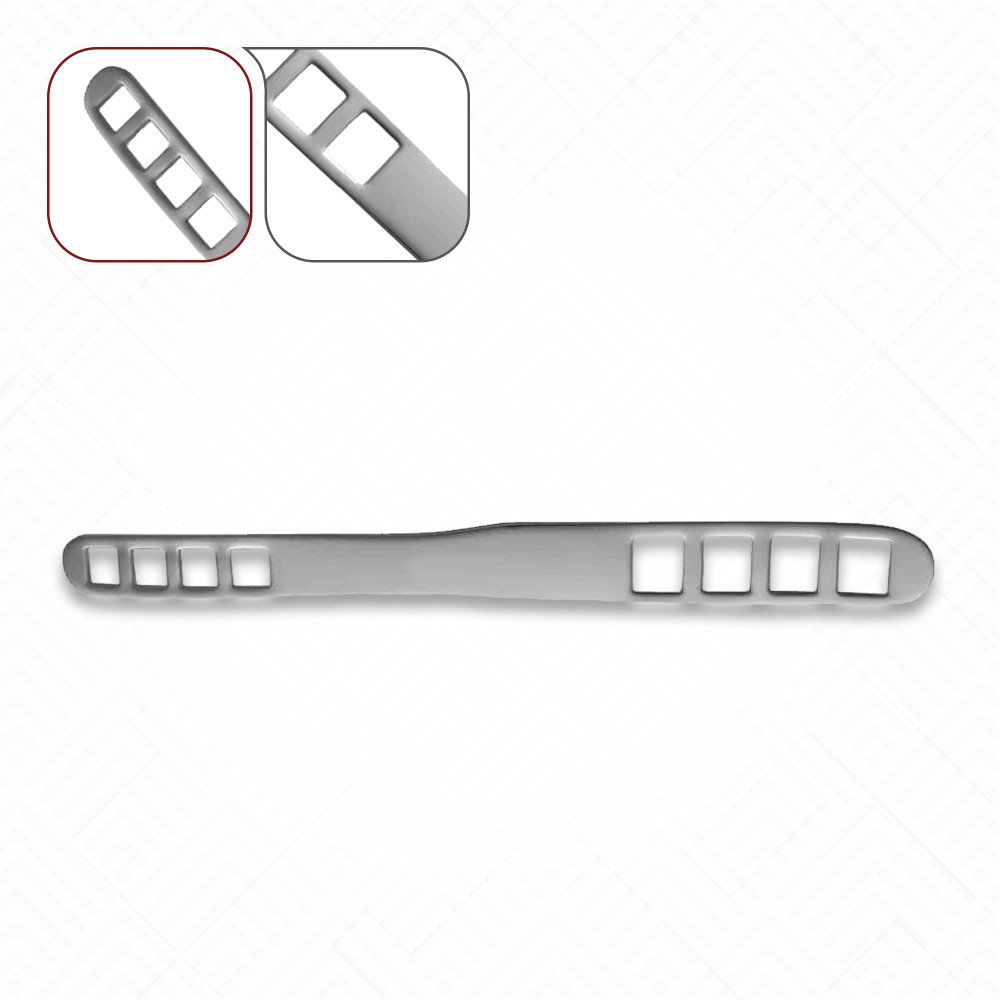
In the fields of surgery and advanced dental care, precision and patient safety are paramount. Every instrument plays a critical role in achieving successful outcomes, and innovation continuously refines the tools available to professionals. The mouth guard with tongue depressor is a prime example of such an advancement, combining two essential functions into one efficient device. This specialized instrument enhances visibility and control during a variety of procedures, ensuring both the practitioner's accuracy and the patient's comfort and safety. For surgeons, dentists, and healthcare students, understanding its applications and benefits is key to delivering superior care.
Understanding the Dual-Function Design
At its core, the mouth guard with tongue depressor is an intelligently designed tool that merges the protective function of a mouth guard with the functional necessity of a tongue depressor. Traditional procedures might require separate instruments to achieve the same result, increasing complexity and the potential for instrument juggling. This integrated device, however, provides a stable, single-piece solution that simplifies the process. It effectively shields the teeth and soft tissues from accidental contact while simultaneously managing the tongue, keeping the airway clear and the surgical field unobstructed.
Enhancing Procedural Visibility and Access
One of the most significant advantages of using a mouth guard with a built-in tongue management component is the dramatic improvement in visibility. In oral, maxillofacial, and ENT surgeries, a clear view of the operative area is non-negotiable. The device gently but firmly holds the tongue down and away from the teeth and pharynx. This creates an open, stable field for the surgeon to work in, which is particularly vital during intricate procedures like tonsillectomies, adenoidectomies, or complex dental surgeries where precision is directly linked to patient outcomes.
Patient Safety and Comfort
Patient safety is the highest priority in any medical intervention. This instrument contributes significantly to a safer surgical environment by minimizing the risk of iatrogenic injury. The mouth guard component protects the dental arcade from potential damage from laryngoscopes or other instruments. Simultaneously, the integrated tongue depressor component prevents the tongue from obstructing the airway or interfering with the procedure. This dual protection reduces complication rates and provides a more controlled setting, which ultimately translates to better patient care and peace of mind for the practitioner.
Applications in Anesthesia and Airway Management
Beyond the surgical field itself, the mouth guard with tongue depressor serves a crucial purpose in anesthesia and airway management. During the induction of anesthesia and intubation, maintaining a patent airway is a critical task. This device can be an invaluable aid, helping to position the tongue correctly to facilitate the smooth placement of an endotracheal tube. The design ensures the tongue does not fall back and obstruct the glottis, making it an essential tool for anesthesiologists and emergency medical professionals focused on securing the airway efficiently and safely.
A Vital Tool for Laryngoscopy
Laryngoscopy, whether for diagnostic purposes or to facilitate intubation, demands a clear line of sight to the vocal cords. The challenges often lie in managing the patient's oral anatomy, especially the tongue, which can obscure the view. Using a mouth guard with an attached tongue depressor provides a consistent and stable method for displacing the tongue. This allows the clinician to achieve optimal glottic exposure with greater ease, reducing the number of attempts and the time required for the procedure. This efficiency is particularly important in high-pressure situations where speed and accuracy are critical.
Use in Specialized Dental and Orthodontic Procedures
In the realm of dentistry and orthodontics, maintaining a dry and clear working field is essential for the success of many treatments. Procedures such as bonding brackets, applying sealants, or performing complex restorative work require meticulous moisture control and unimpeded access. The mouth guard with a tongue depressor element is perfectly suited for these tasks. It keeps the tongue away from the treatment area, preventing contamination from saliva while also protecting the patient’s soft tissues from dental instruments and materials, ensuring the integrity of the dental work.
Training and Education for Medical Students
For medical and dental students, learning to manage the oral cavity and airway is a foundational skill. The mouth guard with an integrated tongue depressor is an excellent training tool. It simplifies the learning process by combining two functions into one, allowing students to focus on the primary procedure without being encumbered by multiple instruments. Using this device in a simulated or supervised clinical setting helps build confidence and proficiency in airway management and oral examination techniques, preparing the next generation of healthcare professionals for real-world clinical challenges.
Selecting High-Quality Instrumentation
The effectiveness of any medical instrument is directly related to its quality of design and manufacturing. When selecting a mouth guard with a depressor, it is crucial to choose a device made from durable, medical-grade materials that can withstand sterilization and repeated use. The design should be ergonomic, with smooth, atraumatic edges to ensure patient comfort and prevent tissue damage. At New Med Instruments, we are committed to providing healthcare professionals with precision-crafted surgical tools that meet the highest standards of quality and performance, empowering them to deliver perfect and precise results.
Conclusion: An Indispensable Tool for Modern Practice
The mouth guard with a tongue depressor is more than just a convenient combination of two instruments; it is a significant advancement in procedural efficiency and patient safety. Its ability to provide unparalleled access and visibility while protecting the patient makes it an indispensable tool for a wide range of medical and dental applications. By incorporating this device into their practice, surgeons, anesthesiologists, and dentists can enhance their control, improve outcomes, and copyright the highest standards of care. For professionals dedicated to precision, this instrument is an essential component of the modern medical toolkit.